Warsaw Poland: Must-Visit Travel Spot for Travelers
Experience the City of Warsaw: The Ultimate Travelers Guide
Warsaw, Poland, offers a remarkable combination of history and contemporary culture. From its historic sites to vibrant nightlife, the city offers a diverse array of experiences for travelers. Visitors can explore the Royal Castle or savor traditional dishes in local eateries. Still, beyond its celebrated sights lies a rich collection of lesser-known wonders waiting to be explored. What other delights does this vibrant city hold in store?
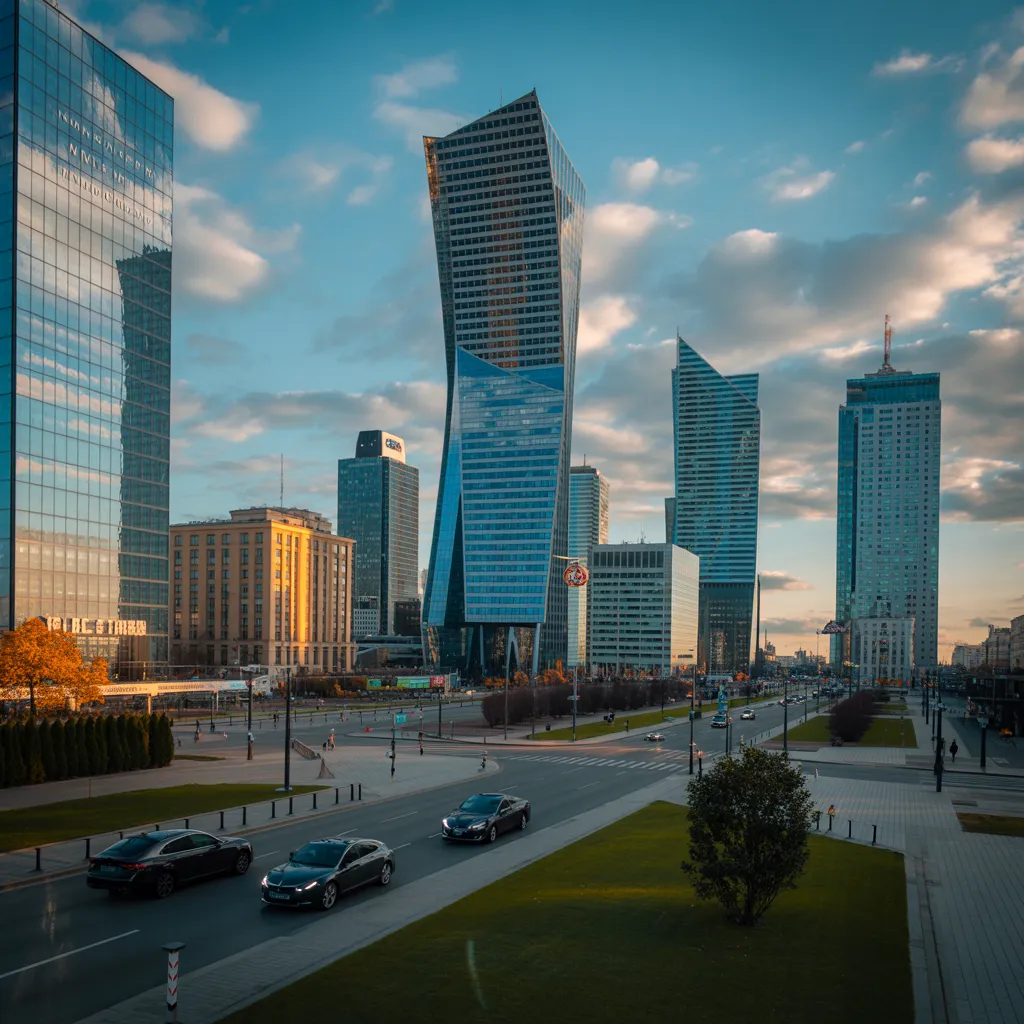
Top Historical Sites to Explore in Warsaw
When visiting Warsaw, visitors will discover that the city's storied past is evident in its extraordinary heritage landmarks. The Royal Castle, historically the dwelling of Polish royalty, represents the city's royal past, displaying stunning artistic and architectural works. Close by, the Old Town, a UNESCO World Heritage Site, displays vibrant structures and historic pathways, painstakingly rebuilt in the aftermath of World War II. The Warsaw Uprising Museum offers a poignant glimpse into the city's endurance throughout the 1944 resistance, with hands-on installations that profoundly involve visitors. The Wilanów Palace, known as the "Polish Versailles", showcases magnificent gardens and baroque elegance that attract history enthusiasts. Furthermore, the Tomb of the Unknown Soldier commemorates the sacrifices throughout Poland's turbulent past. Each attraction recounts a segment of Warsaw's history, inviting exploration and reflection for travelers wishing to appreciate its history.
Top Polish Dishes to Savor in Warsaw
Warsaw offers a vibrant food scene that showcases the most remarkable of Poland's culinary heritage. Visitors can enjoy must-try local dishes, delight in traditional comfort foods, and relish delightful sweet confections. Every meal carries a narrative, embodying the rich cultural heritage of the city.
Top Local Delicacies Worth Trying
Exploring Warsaw's cuisine uncovers an array of must-try local delicacies that reflect Poland's rich cultural heritage. Standing out from the rest, pierogi stand out—dumplings filled with a range of fillings including potatoes, cheese, or mushrooms. Also celebrated is the famous bigos, known as hunter's stew, crafted from sauerkraut, fresh cabbage, and assorted meats, showcasing hearty flavors. Also significant is żurek, a tangy rye-based soup often served with sausage and egg, capturing the essence of Polish cuisine. As a sweet conclusion, Varsovians favor sernik, a velvety cheesecake prepared with twaróg cheese, and paczki, indulgent jam-filled doughnuts which are a beloved tradition on Fat Thursday. All these dishes deliver a distinct flavor from Warsaw's rich gastronomic world, inviting visitors to savor the city's flavors.
Traditional Polish Comfort Foods
Though many meals represent Poland's gastronomic heritage, traditional Polish home-cooked meals truly capture the spirit of home. Perhaps the most popular is pierogi, dumplings stuffed with various stuffings such as potatoes, cheese, or sauerkraut, typically accompanied by sour cream. A further classic is bigos, a hearty hunter's stew made from sauerkraut and various meats, cooked to perfection. Żurek, a traditional rye soup, is equally beloved, usually served with sausage and hard-boiled eggs. For a hearty and warming dish, placki ziemniaczane, or golden potato pancakes, are often enjoyed with applesauce or sour cream. These dishes reflect Poland's abundant agricultural history and communal dining traditions, making them essential dishes for anyone visiting Warsaw.
Sweet Treats to Enjoy
Poland's gastronomic world would not be complete without its variety of delicious sugary delights. Throughout Warsaw, visitors can indulge in a selection of traditional desserts that showcase the country's rich flavors. An essential experience is the famous Pączki, a classic filled pastry traditionally eaten on Fat Thursday; these pillowy treats typically feature jam, rose, or custard fillings. A popular choice is Sernik, a creamy cheesecake prepared with twaróg, a traditional Polish cheese variety, often topped with fruit or chocolate. Makowiec, a poppy seed pastry, provides a one-of-a-kind flavor and is frequently enjoyed during festive occasions. For those seeking something lighter, Kremówka is an exquisite cream puff filled with custard. Every dessert offers a glimpse into Poland's food traditions, making them indispensable for any explorer.
Where to Shop and Party in Warsaw
Warsaw buzzes with energy, providing an exciting blend of shopping and nightlife for every preference. Visitors can explore the chic boutiques of Mokotów and the historic arcades of the Old Town, where talented craftspeople present their distinctive handmade goods. The popular Złote Tarasy shopping center combines international brands with Polish favorites, positioning it as a central hotspot for retail therapy and dining alike.
As night falls, Warsaw becomes a lively party hotspot. The Praga district is famous for its varied bars and live music locations, attracting a wide-ranging crowd. Iconic clubs like The View and Smolna provide memorable experiences with top DJs mixing the latest tracks. For a more laid-back atmosphere, fashionable cocktail bars scattered throughout the city serve creative drinks in sophisticated settings. Regardless of whether you prefer retail therapy or a night out, Warsaw promises that every visitor experiences their perfect blend of shopping and excitement.
Hidden Gems You Simply Must See in Warsaw
What secret wonders are concealed beneath the well-worn trails of Warsaw? Amidst the city's bustling attractions, several lesser-known sites deserve attention. The Neon Museum in the Soho Factory showcases a unique collection of neon signs from Poland's communist era, offering a colorful glimpse into the past. At the same time, the Museum of the History of Polish Jews, nestled in the city's core, offers deep and meaningful perspectives on Warsaw's extensive Jewish legacy, frequently missed by visiting travelers.
Another gem is the serene Royal Lazienki Park, where visitors can enjoy serene strolls among historical palaces and manicured gardens, well away from the tourist throngs. For those passionate about art, the Zachęta National Gallery of Art presents cutting-edge exhibitions that push boundaries and spark discussion. These attractions reflect the rich and varied heritage of the city, inspiring guests to discover more than the typical tourist route.
Getting Around Warsaw: Key Tips to Know
Maneuvering Warsaw's public transportation network can considerably enrich a traveler's experience in the destination. With a variety of transit alternatives accessible, including buses, trams, and the metro, visitors can easily access major sights. Learning about these choices and travel strategies is essential for a smooth journey.
Public Transport Options
Even though the bustling city of Warsaw provides a selection of public transport options, knowing how to use them effectively can considerably elevate a traveler's experience. The city boasts an extensive network of trams, buses, and the metro, allowing travelers to explore different neighborhoods. Trams and buses operate regularly, offering convenient connections to popular destinations. The metro, with its two lines, connects major areas and functions through the late hours. Fares can be paid at vending machines or kiosks, with choices between single trips and multi-journey passes. Moreover, the integrated system enables smooth transitions between transportation options. Visitors may also take advantage of car-sharing options for greater flexibility, enabling a seamless journey through the vibrant streets and hidden gems of Warsaw.
Tips for Getting Around
Navigating Warsaw demands some know-how to truly make the most of the city's transportation choices. Travelers should familiarize themselves with the extensive public transportation network, including buses, trams, and the metro, all of which are efficient and affordable. Opting for a multi-day travel card can help conserve both time and funds. Those who prefer a more tailored travel experience will find taxis and ride-sharing options easily accessible, though using reputable apps or services is strongly recommended. Biking is another option, with numerous bike-sharing programs scattered throughout the city. Exploring the city center on foot is a great idea, given that most major sights are just a short walk away. Finally, planning routes in advance using mobile apps can enhance the overall navigation experience.
Warsaw Seasonal Events and Festivals You Won't Want to Miss
As tourists venture through Warsaw, they will find a vibrant tapestry of annual festivals and events that reflect the city's vibrant cultural legacy. Each season offers unique experiences, kicking off with the Warsaw Spring Festival, which honors classical music across magnificent venues. Summertime ushers in the energetic Jazz in the Old Town, where the streets resonate with soulful melodies.
Autumn is highlighted by the Warsaw Film Festival event, drawing film enthusiasts with a wide range of international films and discussions. Furthermore, the city transforms during the Christmas season with the magical Christmas Market in the Old Town, where attendees can sample regional treats and artisan crafts.
In conclusion, the vibrant annual Warsaw Uprising Festival in August honors the city's rich history with cultural performances and exhibitions. By taking part in these festivities, travelers gain deeper insights into Warsaw's dynamic culture and community spirit, making their visit truly memorable.
Frequently Asked Questions
When Is the Best Time to Visit Warsaw for Nice Weather?
The optimal time to travel to Warsaw for favorable weather is in late spring, particularly May and the beginning of June, when temperatures are mild and outdoor activities can be enjoyed, alongside blossoming parks and an energetic city scene.
What Safety Concerns Should Tourists Be Aware of in Warsaw?
Travelers in Warsaw generally have little to worry about in terms of safety, as the city is known to be secure. However, like any urban area, visitors should remain vigilant against petty crimes, especially in crowded places and tourist hotspots.
What Is the Local Currency and How Do I Exchange Money?
The national currency in the Polish capital Warsaw is the Polish złoty (PLN). Visitors can exchange money at ATMs, banks, and currency exchange offices, often receiving higher exchange rates at authorized exchange offices rather than hotels or airports.
Do Tourists Need a copyright Travel to Poland?
A visa is not required for visitors from numerous nations, including the Schengen Area and the United States, for visits of up to 90 days. Travelers should check their particular visa requirements before organizing their trip.
Is English Widely Spoken in Warsaw?
In the city of Warsaw, English is spoken widely, most notably among younger residents and in areas frequented by tourists. A large number of signs can also be found in English, making it easier for visitors to navigate the city and learn now connect with the local population.